Effective Waste Oil Management Strategies for Businesses
Understanding Waste Oil Management
Importance of Effective Waste Oil Management
Effective waste oil management is essential for businesses that handle lubricants and other oil-based fluids. Proper management minimizes environmental impact, ensures the safety of employees, and protects the company from potential legal repercussions. Waste oil, if improperly disposed of, can contaminate soil and water, posing significant risks to public health and the ecosystem. Efficient management strategies not only comply with regulations but also promote sustainability, which can enhance a company's reputation. Businesses that adopt effective waste oil management practices can also reduce operational costs by recycling used oil and reclaiming valuable resources.
Regulatory Compliance: OSHA and EPA Standards
Businesses must comply with stringent regulations set by agencies like OSHA (Occupational Safety and Health Administration) and EPA (Environmental Protection Agency). OSHA sets forth guidelines aimed at ensuring workplace safety, particularly when employees handle hazardous materials such as waste oil. Meanwhile, the EPA outlines regulations governing the disposal and storage of used oils, emphasizing the need for proper waste oil management practices. Non-compliance can lead to hefty fines and legal issues, making it crucial for businesses to stay informed about these standards. Regular audits and compliance training can help ensure adherence to these regulations, safeguarding both the organization and its employees.
Environmental Impact of Improper Waste Oil Disposal
Improper disposal of waste oil has severe environmental consequences. Used oil can contain harmful contaminants, including heavy metals, which can leach into groundwater and affect drinking water sources. A single gallon of oil can contaminate millions of gallons of water, showcasing the urgency of responsible waste oil management. Additionally, oil spills can lead to devastating impacts on local wildlife and ecosystems. Businesses must recognize their role in preventing these environmental hazards and implement effective waste oil management strategies. By doing so, they contribute to a cleaner environment and fulfill their corporate social responsibility, ultimately benefiting both the planet and their bottom line.
Bulk Oil Storage Solutions
Types of Storage Tanks: Steel vs. Polyethylene
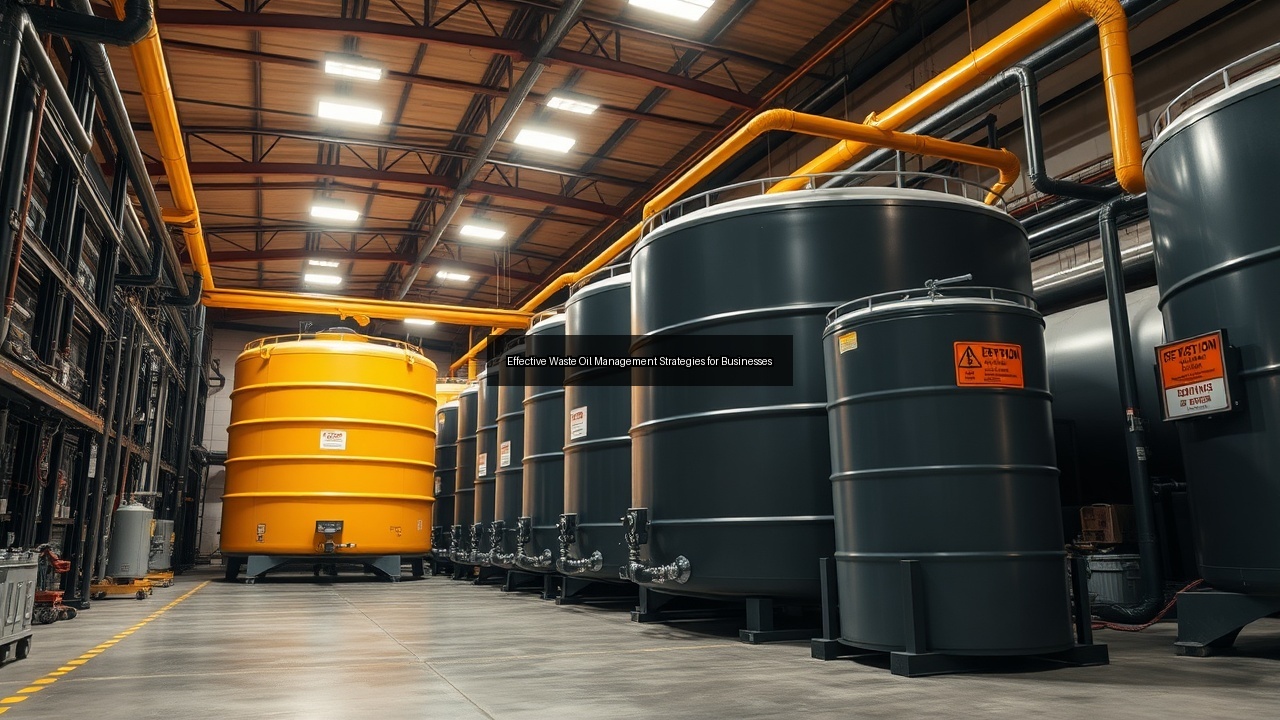
Choosing the right storage tank is critical for effective waste oil management. Steel tanks, known for their durability and strength, are often favored for bulk oil storage. They can withstand harsh conditions and offer excellent protection against leaks. However, they may be prone to rust and corrosion if not properly maintained. On the other hand, polyethylene tanks provide a lightweight, corrosion-resistant alternative. These tanks are less likely to rust and can be easier to install. However, they may have limitations regarding temperature tolerance and UV exposure. Businesses should assess their specific needs and environmental conditions when selecting between steel and polyethylene tanks for waste oil storage.
55 Gallon Drums: Pros and Cons
55-gallon drums serve as a popular choice for bulk oil storage due to their portability and ease of handling. These drums are often made of steel or high-density polyethylene, offering versatility for different types of oils and lubricants. One significant advantage of using 55-gallon drums is their ability to fit into tight spaces, making them ideal for smaller operations. However, they have limitations regarding the volume of oil they can store compared to larger tanks. Additionally, the risk of spillage during transfer remains a concern. Companies must weigh the pros and cons of using 55-gallon drums and consider their operational requirements when deciding on their waste oil storage solutions.
Pneumatic vs. Gravity Feed Systems
When it comes to dispensing waste oil, businesses often choose between pneumatic and gravity feed systems. Pneumatic systems utilize air pressure to move oil from the storage tank to the dispensing point, offering faster and more efficient transfer. This method is ideal for high-demand operations where quick access to lubricants is crucial. Conversely, gravity feed systems rely on the natural pull of gravity to dispense oil, which can be a more straightforward and cost-effective solution for smaller operations. While gravity systems may have slower dispensing rates, they require minimal maintenance and are less prone to mechanical failure. Businesses should evaluate their operational needs and the volume of oil they handle to determine the most suitable dispensing system.
Bulk Oil Dispensing Systems
Overview of Bulk Oil Dispensing Technologies
Bulk oil dispensing systems come in various technologies, each designed to optimize the transfer of lubricants and waste oil. These systems can include manual pumps, electric pumps, and automated dispensing units. Manual pumps offer simplicity and require minimal investment, making them suitable for smaller operations. Electric pumps provide quicker dispensing times and often come equipped with features like flow meters for accurate measurement. Automated dispensing systems can integrate with inventory management software, allowing businesses to track oil usage and streamline operations. Investing in the right bulk oil dispensing technology can enhance efficiency, reduce waste, and ensure that employees have easy access to the lubricants they need.
Filtration Systems for Enhanced Oil Quality
Filtration systems play a crucial role in maintaining the quality of lubricants during storage and dispensing. These systems remove contaminants, such as dirt, water, and particulates, ensuring that the oil remains suitable for use. Implementing a filtration system can significantly extend the life of lubricants, reduce equipment wear, and improve overall operational efficiency. Businesses should choose filtration systems that match their specific oil types and operational needs, considering factors like flow rate and filter size. Regular maintenance and timely replacement of filters will ensure optimal performance and protection of valuable machinery.
Fire Safety Considerations in Oil Dispensing
Fire safety remains a top priority when handling and dispensing waste oil. Oil is flammable, and any improper handling can lead to dangerous situations. Implementing fire safety measures, such as proper ventilation, storage away from ignition sources, and the use of explosion-proof equipment, is essential for mitigating risks. Businesses must also train employees on fire safety protocols and ensure that adequate fire extinguishers are readily available. Regular safety drills can help prepare staff for potential emergencies. By prioritizing fire safety, companies can protect their employees, facilities, and the environment while effectively managing waste oil.
Best Practices for Businesses
Implementing Efficient Oil Storage and Dispensing Protocols
Establishing efficient oil storage and dispensing protocols is vital for effective waste oil management. Businesses should create standardized operating procedures that outline best practices for handling, storing, and dispensing lubricants. These protocols should include guidelines for proper labeling of tanks and drums, ensuring that employees can easily identify the type of oil stored. Regular training sessions can reinforce these protocols and educate staff about the importance of safety and compliance. Additionally, implementing inventory management systems to track usage and replenish supplies can prevent overstocking or running out of essential lubricants, promoting operational efficiency.
Regular Maintenance and Inspection of Storage Tanks
Regular maintenance and inspection of storage tanks are critical for preventing leaks and ensuring the integrity of waste oil storage systems. Businesses should establish a routine inspection schedule, checking for signs of corrosion, rust, or damage. Regular cleaning of tanks can also prevent buildup and contamination of oils. Any issues identified during inspections should be addressed immediately to avoid costly spills or regulatory violations. Maintenance records should be meticulously kept to demonstrate compliance with OSHA and EPA standards. By prioritizing tank maintenance, businesses can extend the lifespan of their storage systems and maintain a safe working environment.
Training Employees on Safe Oil Handling Procedures
Training employees on safe oil handling procedures is essential for any business managing waste oil. Comprehensive training programs should cover proper lifting techniques, spill response, and the use of personal protective equipment (PPE). Employees must understand the risks associated with waste oil and the importance of adhering to safety protocols. Regular refresher courses can help reinforce this knowledge and keep safety at the forefront of employees' minds. An organization that invests in employee training not only enhances workplace safety but also fosters a culture of responsibility and care for the environment, ultimately leading to more effective waste oil management.