Exploring the Cost Factors in Custom Plastic Molding Projects
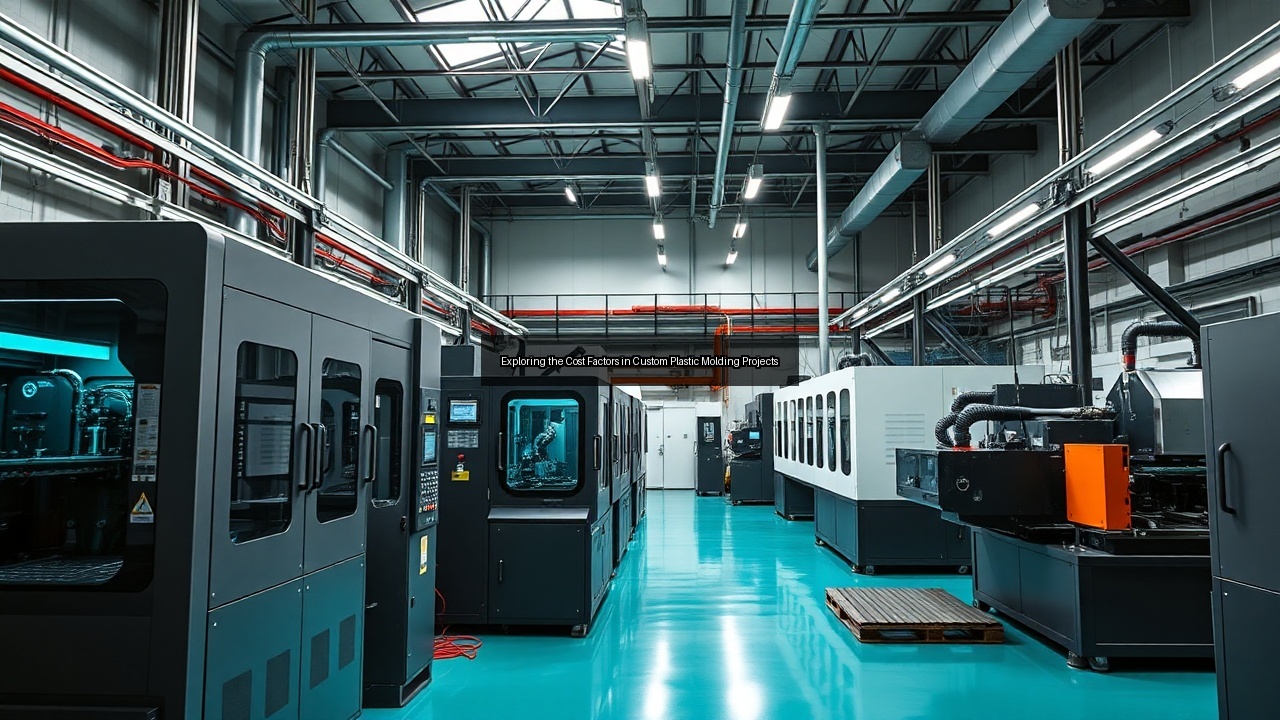
Understanding the Basics of Custom Plastic Molding
Key Processes in Custom Plastic Molding
Custom plastic molding begins with precise design work that translates client specifications into functional plastic parts. Manufacturers rely on injection to force molten material into detailed cavities within an injection mold. This step demands tight tolerances because even minor deviations affect final performance. Thermoforming offers another route where heated sheets drape over molds to create larger components. Each process influences turnaround time and overall project expenses. Teams evaluate part geometry early to select the right method and avoid costly redesigns later.
Engineers also consider cycle times during planning. Faster cycles lower per-unit costs in high-volume runs yet require robust injection molds built to withstand repeated use. Simulation software helps predict flow behavior inside the tool before cutting steel. These upfront checks reduce waste and keep projects on budget. Custom plastic molding projects succeed when every stage aligns with production goals rather than reactive fixes.
Types of Materials Used in Molding
Thermoplastic materials dominate custom plastic molding because they melt and reform repeatedly without losing integrity. Choices range from basic polyethylene to engineering grades like nylon or polycarbonate that deliver strength and heat resistance. Material selection directly shapes pricing since specialty resins carry higher per-pound costs and may demand different processing parameters. Additives such as glass fibers or flame retardants further adjust performance and expense.
Project teams review application requirements including chemical exposure, impact needs, and regulatory compliance before finalizing resin. Switching materials mid-project often triggers new tooling trials and added fees. Understanding these trade-offs helps buyers balance durability against total spend. Sustainable options like recycled content now appear more frequently as manufacturers seek both performance and environmental goals.
The Role of Injection Molding in Custom Projects
Injection molding remains the workhorse for custom plastic molding projects that need repeatable accuracy across thousands of parts. The process forces heated plastic into a precision injection mold under high pressure, producing consistent geometry every cycle. This repeatability supports complex features such as undercuts and thin walls that other methods struggle to achieve economically. Designers favor injection molding when volumes justify the initial investment in tooling.
Custom mold development requires collaboration between engineers and mold makers to optimize gate locations and cooling channels. Proper design prevents defects like sink marks or warpage that drive up scrap rates. Once the injection mold runs reliably, unit costs drop sharply compared with lower-volume alternatives. Many companies use this method for housings, connectors, and medical components where dimensional stability matters most.
Cost Factors in Custom Plastic Molding Projects
Material Selection and Its Impact on Pricing
Material selection sets the foundation for every budget in custom plastic molding. Commodity resins keep expenses low for simple consumer goods, while high-performance thermoplastics raise material costs for demanding environments. Pricing also fluctuates with market supply, additives, and colorants. Buyers who lock in resin contracts early often avoid sudden spikes that erode margins. Volume commitments further influence negotiated rates.
Engineers weigh part weight against mechanical needs because heavier parts consume more resin and increase shipping weight. Lightweighting through design changes can trim material usage without sacrificing strength. Testing multiple grades during the prototype stage reveals the lowest-cost option that still meets specifications. Transparent communication with suppliers about annual volumes helps secure favorable pricing structures from the start.
The Importance of Tooling Costs
Tooling represents one of the largest fixed expenses in custom plastic molding. An injection mold built from hardened steel lasts for high volumes but carries significant upfront charges. Simpler aluminum tools serve short runs or bridge production while final molds undergo fabrication. Project managers must forecast total part quantities accurately to choose the right tool class and avoid overspending on excess durability.
Complex features such as side actions or hot runner systems add to tool cost yet improve cycle efficiency over the mold’s life. Maintenance schedules also factor into long-term economics. Neglected injection molds produce defects that raise scrap and downtime. Investing in quality tooling from reputable makers ultimately reduces per-part cost through reliability and extended service life.
Logistics and Transportation Expenses
Logistics expenses accumulate quickly when molds, resins, and finished parts travel between facilities. International shipping of large injection molds incurs duties, insurance, and specialized handling fees. Domestic suppliers sometimes lower these burdens through shorter lead times and reduced freight. Inventory strategies also affect totals because storing excess molded plastic parts ties up capital and warehouse space.
Seasoned buyers consolidate shipments and negotiate freight contracts to control variables. Proximity between the molding facility and end-use location can cut transportation costs dramatically for bulky components. Just-in-time delivery programs minimize storage needs but require dependable production schedules. Factoring logistics into initial quotes prevents unpleasant surprises that erode project profitability.
Advanced Techniques in Custom Plastic Molding
Exploring Overmolding and Its Benefits
Overmolding bonds a soft elastomer layer onto a rigid plastic substrate in a single process, eliminating secondary assembly steps. This technique improves grip, seals out contaminants, and enhances aesthetics for handles, grips, and medical devices. Custom plastic molding projects gain value when overmolding replaces glued or fastened components that loosen over time. Tool design must account for material compatibility to achieve strong chemical bonds.
Although overmolding adds complexity to the injection mold, the resulting part often justifies the investment through reduced labor and improved performance. Material pairing requires careful testing because incompatible resins delaminate under stress. Manufacturers experienced with overmolding deliver consistent results that lower warranty claims and strengthen customer satisfaction. The process suits both low- and high-volume runs once the mold stabilizes.
The Advantages of Insert Molding
Insert molding places metal components such as threaded inserts or electrical contacts inside the injection mold before plastic flows around them. This creates a single integrated part that eliminates loose hardware and strengthens attachment points. Custom plastic molding teams use insert molding to reduce assembly time and improve alignment accuracy. Proper insert placement prevents movement during injection that could cause defects.
Designers specify insert molding when vibration or torque loads would otherwise strip threads or dislodge components. The added step increases cycle time slightly yet produces stronger, more reliable assemblies. Mold makers design fixtures that hold inserts securely while allowing easy loading. When executed well, insert molding lowers total ownership cost by cutting downstream operations and improving end-product durability.
Rapid Tooling for Cost Efficiency
Rapid tooling accelerates the path from design to production by using softer materials or additive methods to create functional injection molds faster than traditional machining. Custom plastic molding projects benefit during validation phases where engineers test fit, form, and function before committing to expensive steel tools. Bridge production runs become feasible without long waits. This approach trims weeks from development timelines.
Although rapid tooling may not match the longevity of hardened steel, it proves economical for market testing and low-volume orders. Teams often transition successful designs to durable molds once volumes justify the switch. The strategy reduces financial risk on new products by validating demand early. Many suppliers now combine rapid tooling with 3D-printed inserts for even greater speed in custom projects.
Quality Control in Custom Plastic Molding
Importance of Accuracy in Injection Moldings
Accuracy in injection moldings determines whether parts assemble correctly and perform as intended. Tight tolerances on critical dimensions prevent leaks, misalignments, and functional failures that generate returns. Custom plastic molding operations invest in precise measurement equipment to verify every batch against drawings. Even small deviations compound across high-volume runs and damage customer relationships.
Process monitoring tracks variables such as melt temperature, injection pressure, and cooling rates that influence final dimensions. Adjustments made in real time maintain consistency. First-article inspections establish baseline capability before full production begins. Buyers who demand documented accuracy receive parts that integrate smoothly into larger assemblies without extra fitting or machining.
Quality Assurance Practices in Molding
Quality assurance in custom plastic molding encompasses incoming resin checks, in-process inspections, and final audits. Statistical process control identifies trends before defects appear, allowing corrective action that protects yield. Documentation trails support traceability requirements common in automotive and medical sectors. Consistent practices reduce variability that drives up scrap and rework expenses.
Cross-functional teams review process capability data regularly to refine parameters. Training operators on defect recognition ensures early detection at the press. Third-party audits further validate that systems meet industry standards. Strong quality programs ultimately lower total project cost by minimizing waste and protecting brand reputation through reliable output.
Pressure Testing for Molded Plastic Parts
Pressure testing validates the integrity of molded plastic parts that must contain fluids or gases. Custom plastic molding suppliers apply internal or external pressure to detect leaks, weak weld lines, or thin spots before shipment. This step proves essential for housings, tanks, and connectors used in demanding environments. Data from tests guides design improvements that enhance safety margins.
Automated pressure decay systems provide objective pass-fail results quickly. Parts that survive rigorous protocols demonstrate durability that justifies premium positioning. When defects surface, root-cause analysis often points back to mold design or processing parameters. Addressing these issues early prevents field failures that cost far more than initial testing investments.
Future Trends in Custom Plastic Molding
The Rise of 3D Printing in Custom Projects
3D printing now supports custom plastic molding by producing prototype parts and even low-volume production tools without traditional machining. Designers iterate quickly on geometry, then move validated designs directly into injection molding for scale. Hybrid workflows combine printed inserts with conventional molds to accelerate development. This flexibility shortens time-to-market for complex components.
Material advancements allow 3D-printed tools to withstand limited injection cycles, making them practical for bridge production. Companies explore printed conformal cooling channels that improve cycle times in final steel molds. The technology reduces tooling lead times and enables economical customization that once required expensive modifications. Early adopters gain competitive advantage through faster response to market needs.
Liquid Silicone Rubber: A Game Changer
Liquid silicone rubber expands custom plastic molding capabilities into applications requiring extreme flexibility, temperature resistance, and biocompatibility. The material injects into molds at low viscosity, filling intricate details before curing into durable parts. Medical devices, automotive seals, and consumer electronics benefit from its performance. Processing differs from thermoplastics yet integrates well with existing injection equipment.
Although liquid silicone rubber demands specialized molds and handling, the resulting parts often replace multiple components and reduce assembly steps. Pricing reflects premium material properties, but lifecycle savings frequently offset initial costs. Manufacturers continue refining curing cycles to boost throughput. This technology opens new markets for custom projects that traditional plastics cannot serve effectively.
Sustainable Practices in Plastic Molding
Sustainable practices reshape custom plastic molding through recycled content, bio-based resins, and closed-loop water systems. Companies reduce scrap by regrinding runners and sprues for reuse in non-critical applications. Energy-efficient presses and optimized cycle parameters lower the carbon footprint per part. Buyers increasingly request environmental data alongside pricing and lead times.
Design for recyclability influences material selection and part geometry from the outset. Some facilities now operate with renewable energy sources to meet corporate sustainability targets. These measures do not compromise quality when implemented thoughtfully. Forward-looking molders position themselves as partners who deliver both cost-effective and responsible solutions for modern custom plastic molding projects.